What is 3mm Foamex? A Lightweight Foamex Board Guide
Picture a printed panel barely thicker than a bank card that still stays flat in your hand. Thin rigid sheets sit in an interesting middle ground between paper posters and sturdy signboards. They feel substantial enough to look professional, but they are light enough to post, pin, stick or slide into a frame without fuss. For many everyday display jobs, that lightness is exactly the point. Knowing when it helps, and when it becomes a weakness, makes ordering the right sheet much easier.
A Quick Description
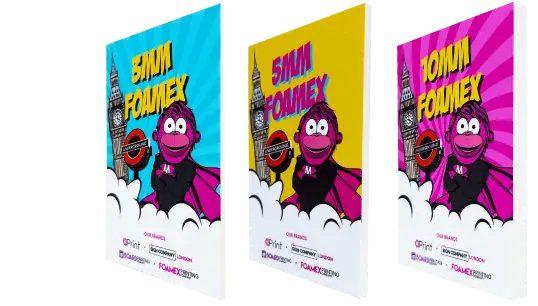
The board is made from expanded PVC, a plastic that has been filled with tiny sealed air pockets during production. Those pockets keep the weight down while the outer skins stay smooth for printing. In British sign shops, it is usually just called foamex.
At three millimetres, the sheet is the thinnest option most sign makers use regularly for rigid displays. Thinner grades exist, but they behave more like flexible plastic film than a board.
What It Actually Feels Like
People are often surprised when they handle 3mm foamex for the first time. An A3 sheet weighs very little and can be bent gently in the hands, yet it springs back flat when released. It does not crease like card or snap like thin acrylic.
That gentle flexibility is useful. It allows the sheet to sit flush against slightly uneven walls and to curve a little around pillars if needed, while still presenting a smooth, rigid-looking surface from the front.

Jobs Where Lightness Wins
Posters with a premium finish
Replacing paper posters with printed sheets instantly lifts how a display looks. Edges stay sharp, corners do not curl and the print does not fade or tear in a busy corridor.
Point-of-sale and shelf displays
Retailers use thin panels for shelf wobblers, counter cards, promotional headers and small hanging signs. Low weight means simple clips and adhesive pads are enough to hold them.

Menus and price boards
Cafés and bars often slide thin printed boards into chalkboard frames, clipboards or wall rails. Because they wipe clean, a splash of coffee is not the end of the world.
Wall graphics and artwork
Photo prints and decorative panels mounted onto thin board can be hung with adhesive hanging strips, avoiding drilled holes in rented spaces.
Signs that need posting
Schools, charities and franchise businesses often send signs to several sites. Light sheets cost less to post and are less likely to be damaged in transit than heavy panels.
The Limits of a Thin Sheet
Bowing on large sizes
A small sign stays flat on its own. Once you move beyond around A2 or A1, a thin sheet can begin to bow, especially if it is hung from a couple of points or fixed only at the top. Larger displays usually need a thicker board, a frame or a rigid backing.
Heat and sunlight
Like all foam PVC, thin sheets expand slightly in heat. In a sunny shop window or near a radiator, a panel fixed tightly at every edge may ripple. Leaving a little room for movement, or choosing a thicker sheet, helps.
Outdoor durability
Short outdoor events are usually fine, but for long-term outdoor use a thin plastic sheet will not match aluminium composite or outdoor aluminium signs.
Impact
A thin panel can dent if struck with a sharp corner. In very busy areas, a thicker board resists everyday knocks better.
Choosing Fixings That Suit the Weight
Because the sheet is so light, there is no need for heavy hardware:
- Double-sided foam tape for small signs on smooth walls.
- Velcro pads for displays you want to swap regularly.
- Poster clips, snap frames or slot rails for changeable content.
- Eyelets and fine chains for small hanging signs.
Avoid overtightened screws, which can crack the foam core. If screws are needed, a washer spreads the pressure.
Printing and Finishing
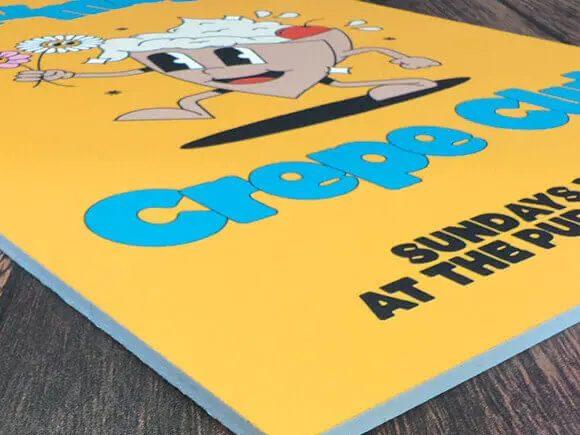
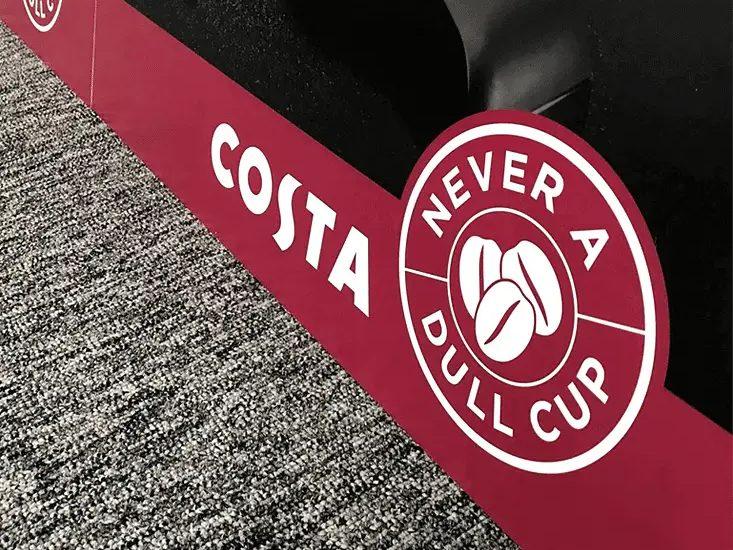
Thin boards are printed on UV flatbed printers, giving crisp text and bold colour. They can be cut into simple rectangles, rounded corners or custom outlines, and a matte or gloss laminate can be added if extra scratch resistance is needed.
Our article 3mm Foamex for Signage: Uses, Benefits and Limitations explores where thin panels perform best in signage projects and is a useful companion read when planning a larger order.
Quick Questions People Ask
Can it go in a frame?
Yes. Thin printed panels fit most poster frames and snap frames easily.
Can it be cut at home?
Smaller adjustments can be made with a sharp craft knife and a steel rule, scoring several times before snapping. For curves or precise shapes, professional cutting gives a cleaner edge.
Is it eco-friendly?
Foam PVC is a plastic, but its long life and reusability often make it a better choice than repeatedly reprinting paper posters. Some recyclers accept PVC sheet; check locally.
How long does it last?
Indoors, a well-cared-for panel can last for years. Avoid solvents and abrasive cleaners, and store spare sheets flat away from heat.
Making the Decision
If your sign is small to medium in size, mounted indoors and likely to be changed or moved, a thin printed panel of foamex is often the most economical and practical option. If it is large, hung, outdoors or in a busy area, it may be worth stepping up in thickness. Asking for a free sample pack lets you feel the differences before committing.
Wrapping Up
Lightweight rigid sheets fill a valuable gap between paper and heavy-duty signage. They look professional, travel well, fix with simple adhesives and suit an enormous range of indoor displays. Understanding their limits on size, heat and outdoor exposure means you can use them where they shine and choose something sturdier where they would struggle, such as large hanging signs or long outdoor installations. If you would like help deciding which thickness suits your next project, the friendly team at Foamex Board will gladly talk you through the options.

Comments
Post a Comment